












School sucks. Between grades, tests, quizzes, what to wear, who likes who, college, it can feel pointless to try and stay secure through the chaos. Teenagers are given the impossible tasks of navigating a minefield of social challenges, all while trying to pass AP Biology. At times, it can feel like you’re drowning alone. In the vast sea of adolescence, all anyone wants is a lifevest.
Thankfully, many have found their lifevest.
From cafeteria to classrooms, the sound and sights of friendship fill each corner of the school; assisting one another through the trials and tribulations of growing up. Being close with someone brings with it a laundry list of benefits: someone to complain with, someone to hang out with, someone to relate to, someone to be seen by.
It’s easy to understand this laundry list of benefits through statistics about community lowering rates of depression or lowering stress, but the real impact can only be seen by telling their stories. The stories of how friends have grown together. Stories of people who have been there for each other since day one. When it feels like everything is trying to break you and make you feel worthless — it’s important to remember those that both complete and make you feel loved.
CLAIRE & NETRAA
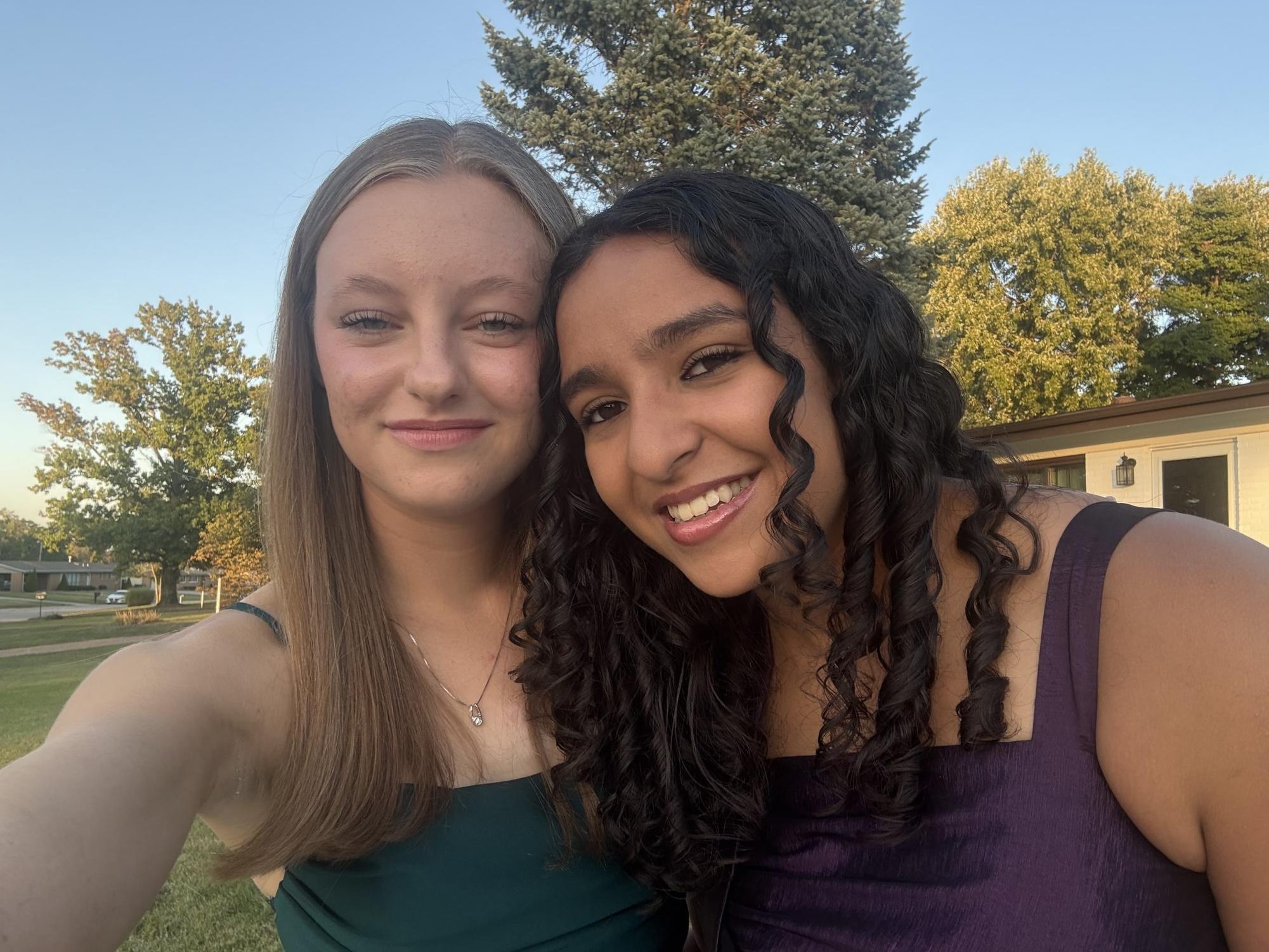
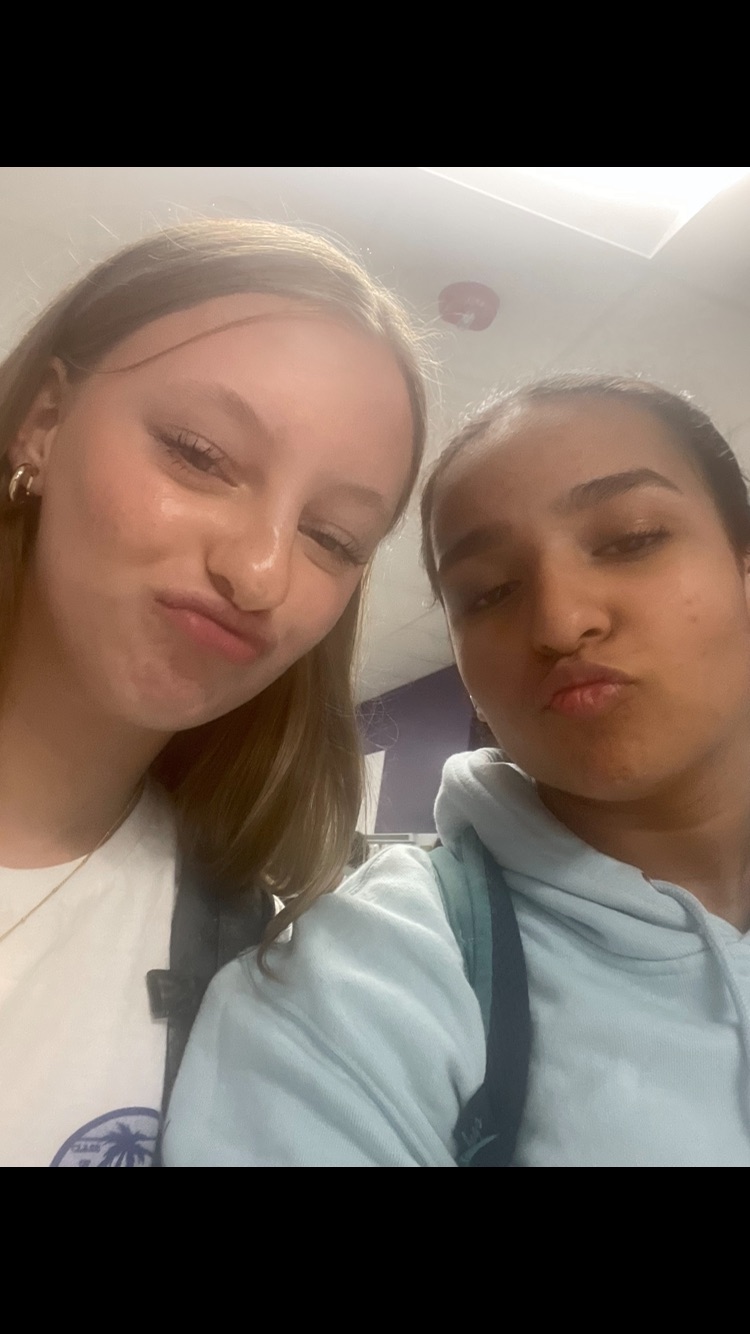
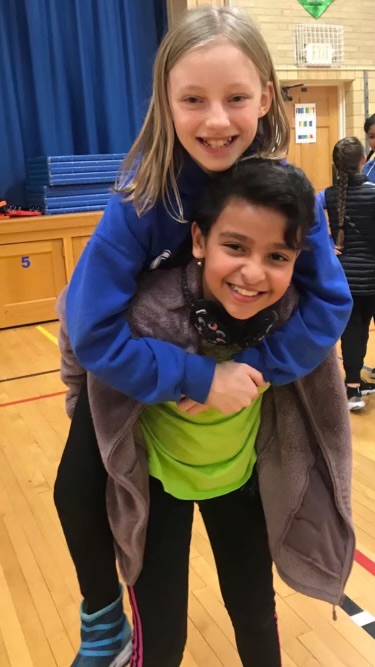
Looking back over the years of one’s life, oftentimes, far off memories fade from the mind. The moments not preserved in photos or videos slowly fade from memory. However, even when the past seems like a blur, feelings are not forgotten. For the day-ones, Claire Yates (10) and Netraa Dixit (10), this is true for the feelings of their 11-year friendship.
“[Netraa’s] there for anything,” Yates said. “She’s always been a support system for me. Since we were friends through switching schools, elementary to middle to high school, through covid, through different friend groups, we’ve always been close in a different way, and I think the fact [that] we always talk [about] our issues has helped us stay so close.”
Yates and Dixit first met in kindergarten at Conway Elementary, and grew closer together over time.
“In elementary school, there was a phase where I didn’t really like Claire because her mom made her cut her hair into a bob, and I thought she looked really mean,” Dixit said.
Despite the hair debacle, the two quickly clicked and became close friends. As they grew up and met different people, their friendship stayed strong because they always stuck by one another, prioritizing loyalty in their friendship.
“We’ve been through multiple friend groups together, and somehow we always end up together after the friend group dissolves,” Yates said.
Since they’ve known each other for most of their lives, they have something much deeper than a surface-level connection.
“I feel like our friendship has gotten to the point where we don’t even know generic stuff [about each other],” Dixit said. “We just know specifics and details.”
What has helped them have such a strong bond is their ability to listen to one another and talk through the serious aspects of life.
“Having known each other for so long helps us vent when we need to, and it gets us through our problems,” Yates said.
In addition to being a support system, the two also keep each other laughing. This balance is what makes their friendship so important to them.
“Something I look for in a friend is somebody that you can be goofy and crazy with, but also [be] serious with, and it won’t be an issue going forward,” Yates said.
This meaningful, long lasting connection has created many memories for the two of them.
“We had a feast at my house,” Dixit said. “I spent over $100 buying groceries, and we cooked all of it in one night. But we ate so much while we were cooking it that we couldn’t actually eat the final product. And I had two months worth of soup, rolls and pasta in my fridge.”
Aside from the big plans they make, they also find joy in the simplicity of each other’s company.
“We go to each other’s houses and spend like 12 hours together,” Yates said. “On a random day, I’ll be like, ‘Hey, you want to come over?’ and then we’ll just do nothing for 12 hours.”
From instantly clicking when they were very young, to sticking by each other over the years, their friendship has stood the test of time, and their bond has evolved beyond a normal friendship.
“I know more about her than I know about myself,” Yates said. “I would say that Netraa’s more family than friend by this point.”
AIDAN & JONAH
There is a stereotype in the manosphere that all it takes for two men to become best friends is a single shared interest and proximity. Although there are plenty of examples to disprove this, for Aidan Antony (11) and Jonah Alper (11) this stereotype could not be more true.
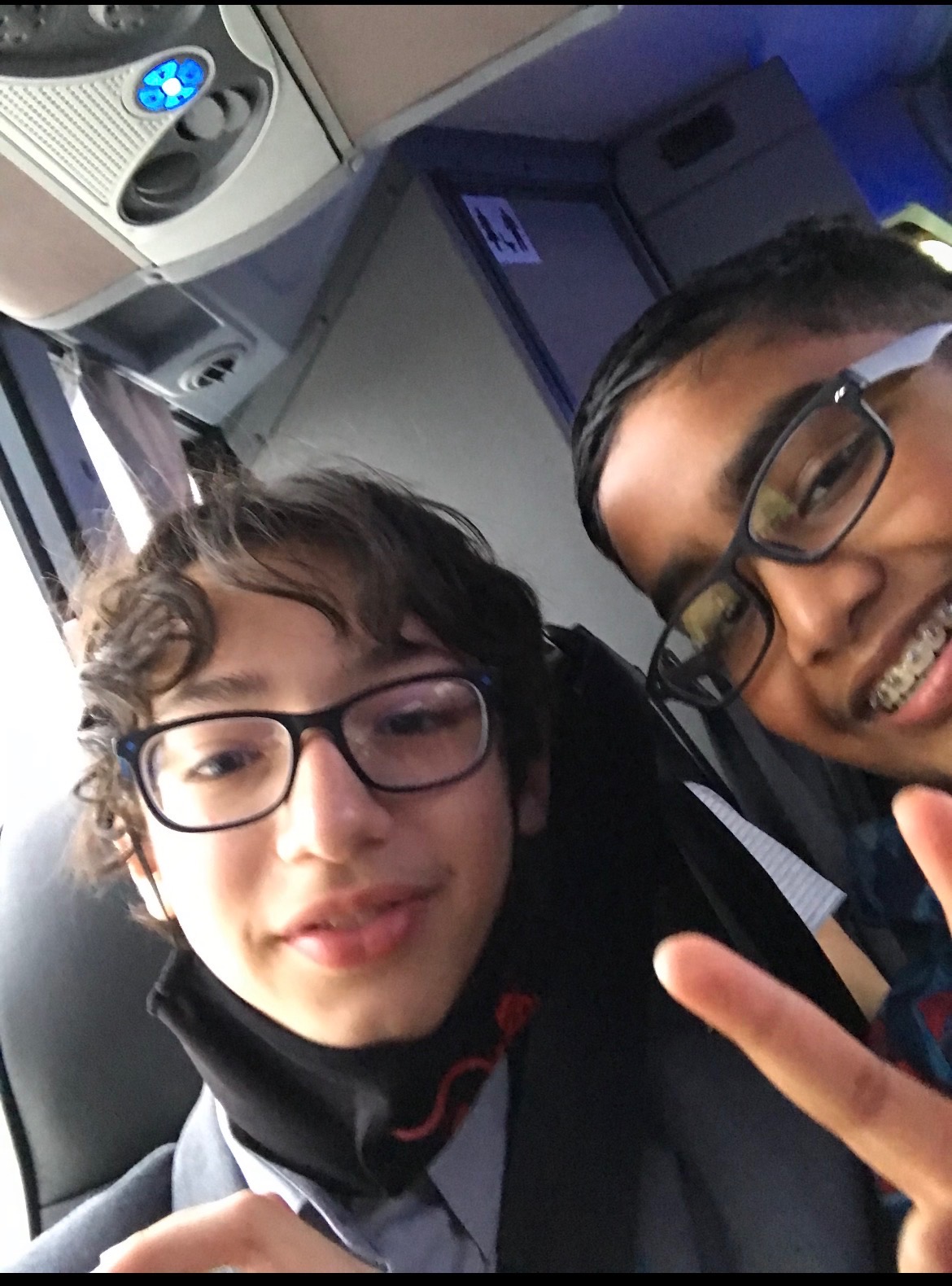
“We both have an ‘A’ last name, so we’d stand in line together,” Alper said. “ [One day] I go, ‘Do you like Venom?’ And basically, that’s how we [became friends]. He was like, ‘Yes, I love him.’”
In 5th grade, following Antony’s recent move from Wisconsin to Missouri, the two quickly became a tight-knit pair. Over the years, their friendship has changed – but the two still remain inseparable.
“Last year, over spring break, no one else was in town,” Antony said. “So we met up at like, 8 a.m., and we’re like ‘you want to get Starbucks?’ Then, we [didn’t] stop hanging out with each other that day until 9 p.m. It was a full day we [had] spent together.”
Despite the long period of time they’ve known one another, the pair’s dynamic has withstood the test of time.
“I think as we’ve been able to see [how] each other have matured, I think our friendship has matured as well,” Alper said.
Sans their 5th grade selves love for Venom, the two claim to not have much in common. Instead, they find themselves bonding over other aspects of one another’s personalities.
“Past one or two shared interests, we’re very different people,” Alper said. “[We have] very different interests educationally. I like writing, he likes science, he likes sports a lot and I don’t really. But our friendship dynamic runs past that and instead of letting the differences divide us, we’ve been able to share each other’s interests with each other.”
Despite sharing a friend group, the pair has grown uniquely close to one another.
“I feel like we’re a little different,” Antony said. “I haven’t really met [anyone] that acts like we do. Sometimes, even [our other friends] will get really mad at us because of how stupidly in-sync we are.”
Over the last 6 years, the connection Antony and Alper have built has not just brought the two of them closer together. As their friendship developed, their social confidence followed suit.
“Our dynamic has really been able to show me how to build confidence within myself,” Alper said. “[Both] as a person as well as helping me make other friends. Because we have a dynamic where I feel like I don’t have to hide anything or do anything different than I normally do.”
This pattern is not exclusive to them. A National Institute of Health meta-analysis found a strong link between teenagers with strong relationships and teens with a positive self esteem. Friends not only act as a person to help fill time, they can often function as support systems.
“Someone who has your back, your day one,” Antony said. “Someone who will pick up the phone and go get food with you. That’s a friend. Someone you know you can trust.”
In a more basic sense, friends often aren’t making some grandiose show of support. Instead, their mere presence in your life acts as a way to help keep you stable.
“I’ve been in this position a lot of times throughout my life, where I’ve been absent of friendship,” Alper said. “It’s really taught me how important friendship is. Because, really, it’s the kind of thing that gets you through the day. Friendship is just such an important thing, because it’s what’s important to people in life.”
KELLY & JOSH
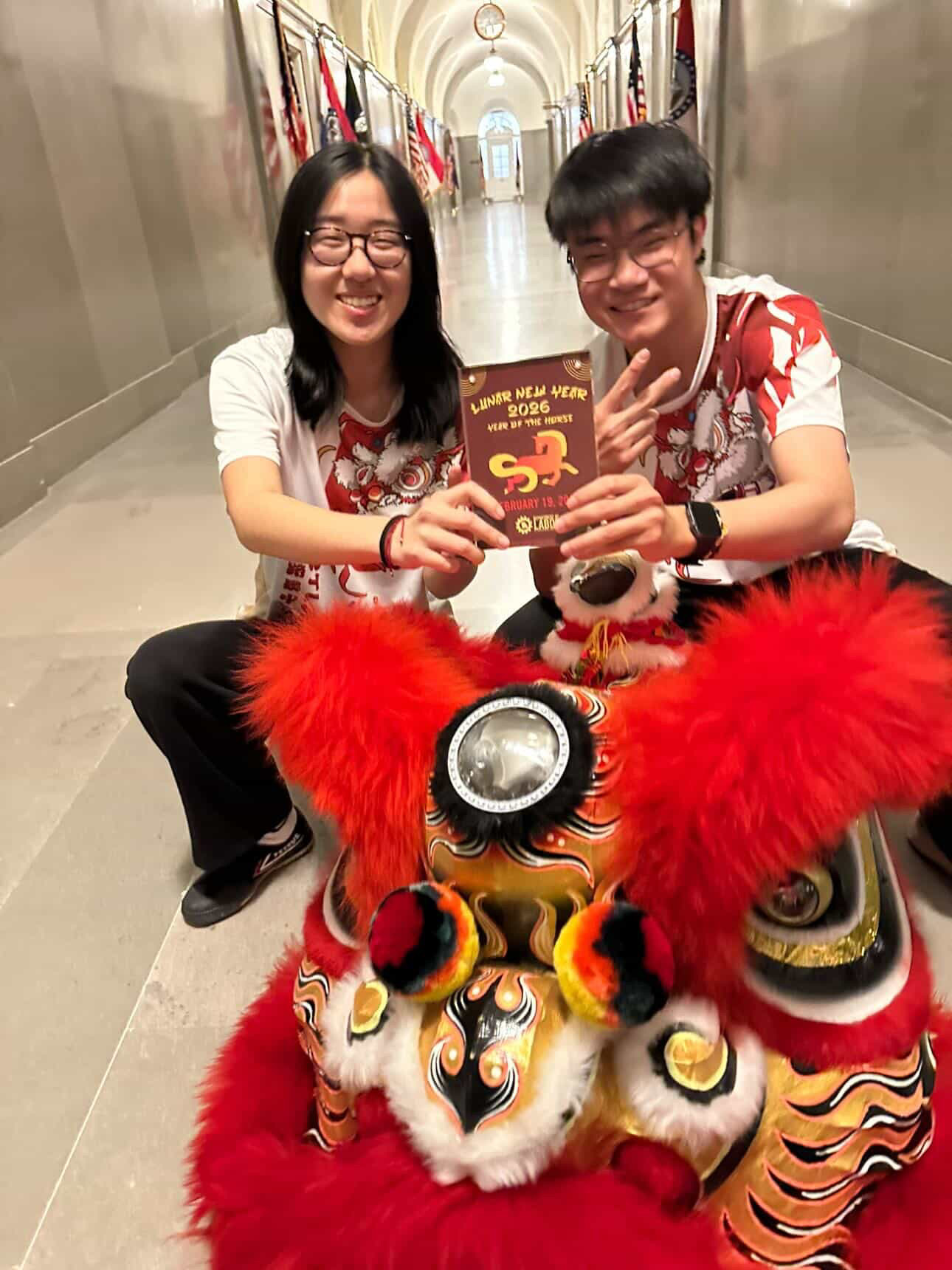
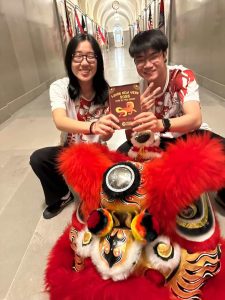
As people perform the traditional Chinese lion dance in bright, colorful costumes, symbols of good luck and prosperity are spread. For the co-captains of the lion dance team, Kelly Bian (12) and Joshua Gu (12), the dance also brings prosperity to their friendship. As Chinese Americans, their communities were always meshed together growing up, but through a shared sense of humor and passions, the two became close friends while lion dancing in high school.
“Lion dancing is like a team sport. There’s a lot of trust that goes in with being in the lion and trusting your partner,” Bian said. “But there’s something sacred itself on performing lion dancing because there’s a lot of tradition and history that goes with it. So something that makes it even more special is performing with your friends and people that you care about.”
In addition to dancing, Bian and Gu also deepened their friendship through their high school classes and Catalyst, a program they go to every school day.
“We’re working on electric conversion of a go kart,” Gu said. “So we spend a lot of time trying to make it work and thinking of different ways to solve it. That’s definitely strengthened our connection together.”
When Bian and Gu began working together, whether it was for lion dancing, Catalyst or simply for a school assignment, what made them an excellent team was their similar humor. They became close not just because they spent lots of time together, but because they felt connected on a personal level.
“I would say [I have] the same sense of humor, but not to the extent of Josh,” Bian said. Josh is a little more of a silly guy,” Bian said. “That’s what you need after a long day. Sometimes you don’t want to have those long conversations. You can turn your brain off and just talk about Instagram reels. But Josh is also a guy who you can have those conversations with about the worries for your future. He’s a very multidimensional guy.”
In addition to always making each other laugh, the two also support each other through the serious aspects of life. They’re seniors who both want to study engineering, so through their shared experiences in the past, they can help each other talk through their plans for the future.
“We’re planning on the next step of our lives,” Gu said. “So, a lot of the time during college [application] season we were discussing what we want to do,” Gu said. “A lot of the time we would go on a call and just talk. If we had any concerns, we would talk to each other about it and then see what colleges we wanted to apply to and why. It was just a nice experience having that time to talk about your worries about the future and stuff like that.”
Pairing their sense of humor and the strong support system they’ve built, the two have become more secure in their lives.
“Overall, I’ve just been more relaxed as a person,” Gu said. “I don’t really dwell on things that much. Sure, there’s obviously tests and life events that happen, but our friendship, it’s made me calmer.”
By being able to talk through the future together, they’ve found that they can enjoy the current moments more.
“Josh encourages me to be a little bit more silly and just take life as it comes and not be afraid to live more in the present,” Bian said.
From laughing over funny reels to having deep conversations about their future and supporting each other in their endeavors, Bian and Gu have always been able to brighten one another’s day. For Bian, that encouragement is what makes a true friendship.
“Friends are supposed to be a support system within your life,” Bian said. “It’s really naive to think that you can achieve everything you want to achieve in life without that support system around you and building up your village. Holding each other accountable, but also being able to work towards a common goal, and still being silly with each other. That’s what friendship is to me.”
CROCKETT & TUCKER
The halls of a high school are filled by the sounds of a plethora of relationships. From close friends to vague acquaintances, every aspect of teen relationships can be found within the academic walkways. But, beyond the teenagers, another form of high school relationships exists. A specific type of teacher friendship that English teachers Marisa Tucker and Julianne Crockett perfectly demonstrate.
“Sharing stuff [with Crockett] that says co-worker feels weird,” English teacher Marisa Tucker said. “Like that meme that I shared that was: ‘when things are going poorly at work, but you get to see your favorite co-workers.’ And, that doesn’t feel right, because [we’re] more than that. It’s not even just friends, [we’re] really good friends.”
When it comes to friendships between teachers, it’s hard to find a pair as close as Tucker and Crockett. What began as a phone number exchange at a pizza party quickly morphed into a bond built on both professional and personal support.
“If I have an idea that’s half baked, I don’t have to worry about it if it’s polished or ready to go,” Crockett said. “We can collaborate and think about it together.”
There are plenty of relationships similar to this at Ladue. The difference with these two is that their relationship goes far deeper than just collaboration and sharing ideas in school.
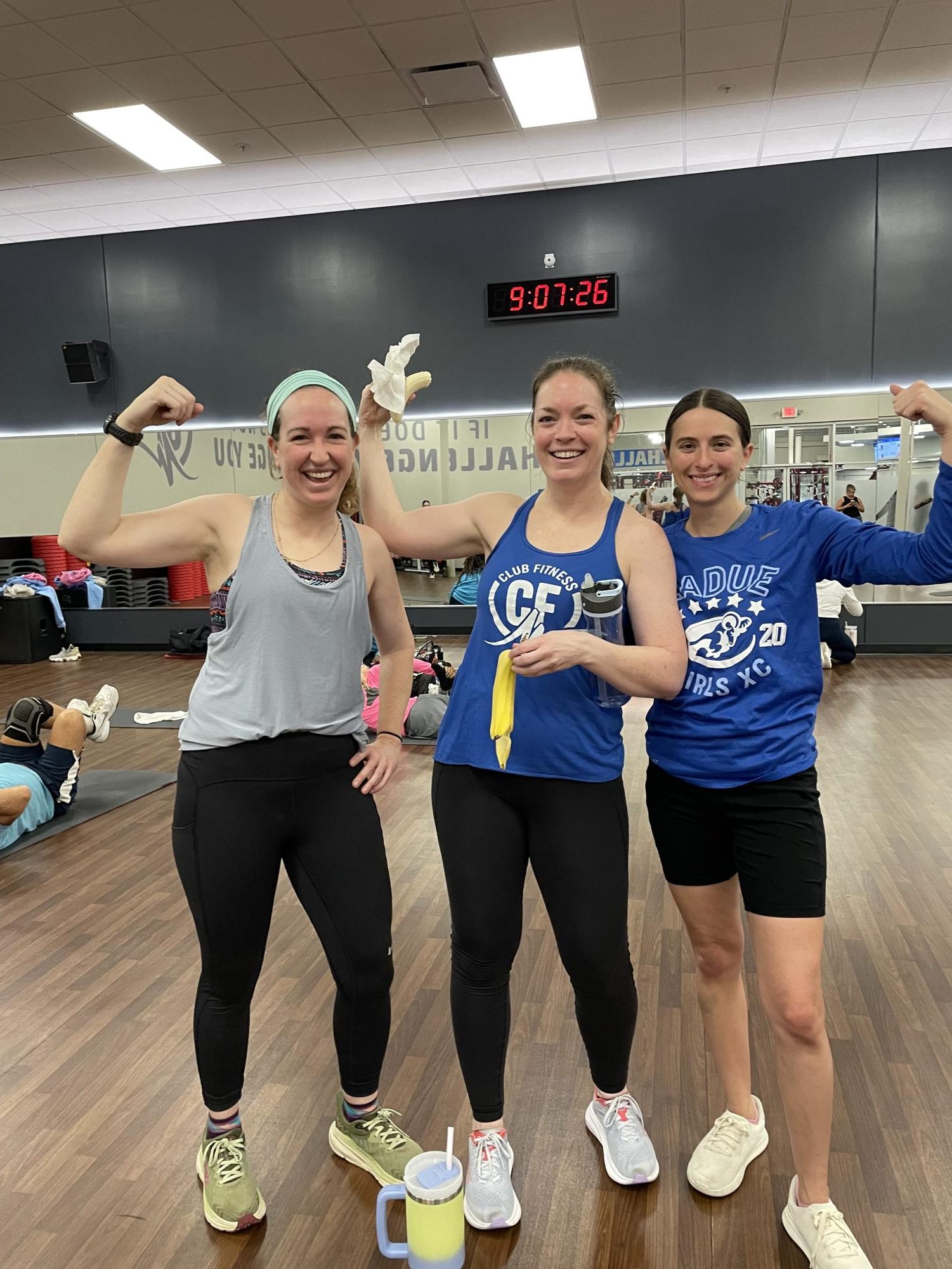
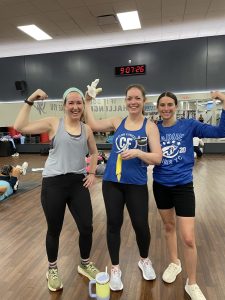
“We’ll go to workout classes together,” Crockett said. “When we’re both up in the middle of the night, we’ll be texting each other, sending each other Instagram reels. We talk to each other every day at work and every day outside of work.”
Since Tucker was hired at Ladue in 2024, Crockett has become a beacon of support for her both in and out of the classroom.
“[It can be difficult] coming from a new place and not knowing the culture or the expectations,” Tucker said. “I know what ELA skills they are looking for, but when you come to a new team, there’s a new curriculum and the pacing is different. I didn’t want to ever feel like I was over relying on people, but [with Crockett] it doesn’t feel that way now.”
Tucker and Crockett exemplify a recent relationship development within the modern workforce. A recent Harvard Business study found that having a workplace best friend can lead to trust, emotional support, innovation and increased job performance.
“We do fun things at lunch,” Tucker said. “[We have] lots of camaraderie and spirit, which are built into collaboration and a celebration of [each other’s] talents”
Similar to those of teenage friendships, it’s impossible to ignore the benefits of having a close relationship as an adult.
“Some days it’s not exciting to get out of bed and come to school at seven in the morning,” Crockett said. “But I always know that I’m excited to see Marissa or talk to her, or tell her this crazy thing my toddler did last night. On the days when it’s hard to come to work, she’s there.”
In a professional setting it can sometimes be hard to identify a co-worker versus a friend.
“[A friend] is someone who is supportive and helpful,” Crockett said. “Someone who, after something bad happens, will check up the next day and say, ‘Hey, are you okay?’ And [the friendship] just builds from there. I’ve had situations where [I had] somebody I thought was more in the friend column, then something happened, and how they respond to that further shifts them towards friend or co-worker.”
The largest difference between a co-worker and a friend can be measured by their ability to support outside of the workplace. For Crockett and Tucker, they are there for one another no matter what.
“There have been a lot of situations where one of our spouses has been out of town, and we have been solo parenting,” Crockett said. “When you have two children, solo parenting can be especially exhausting. In those situations we’ve gone to each other, ‘Hey, let’s go take the kids to dinner together so that we can just survive together. Let’s go do this together.’”