-
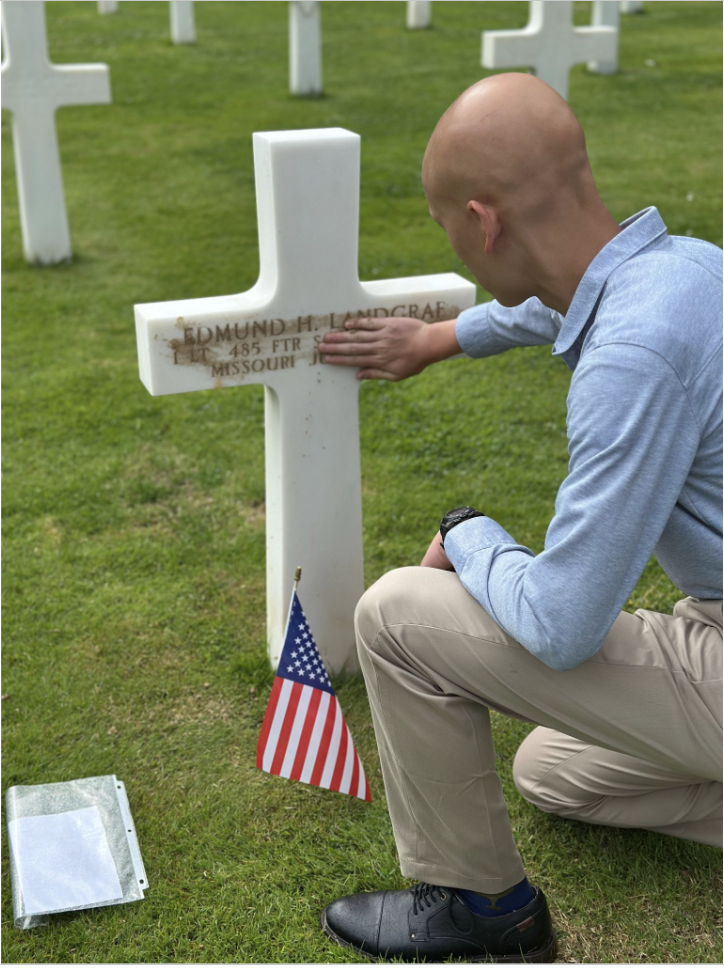
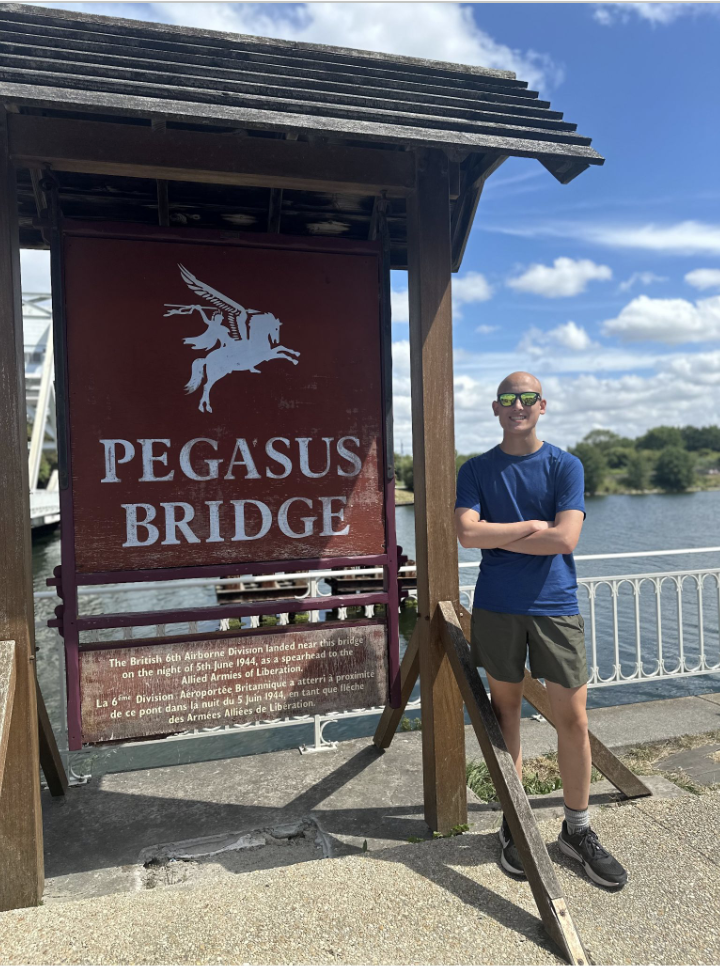
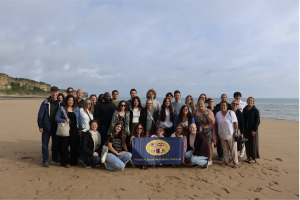
Carson Lee (11) visits various World War II memorials with the Albert H. Small Institute program. The program was sponsored by Albert H. Small, whose goal was to ensure that everyone was knowledgeable about the war effort. “[Small] loved American history,” social studies teacher Ashley Lock said. “His goal was that every American would stand on the beaches of Normandy and see the sacrifices of our soldiers. That did not happen, but he created this program for students and teachers across the country to be able to attend.” (Photo courtesy of Carson Lee)
-
Carson Lee (11) visits various World War II memorials with the Albert H. Small Institute program. The program was sponsored by Albert H. Small, whose goal was to ensure that everyone was knowledgeable about the war effort. “[Small] loved American history,” social studies teacher Ashley Lock said. “His goal was that every American would stand on the beaches of Normandy and see the sacrifices of our soldiers. That did not happen, but he created this program for students and teachers across the country to be able to attend.” (Photo courtesy of Carson Lee)
-
Carson Lee (11) visits various World War II memorials with the Albert H. Small Institute program. The program was sponsored by Albert H. Small, whose goal was to ensure that everyone was knowledgeable about the war effort. “[Small] loved American history,” social studies teacher Ashley Lock said. “His goal was that every American would stand on the beaches of Normandy and see the sacrifices of our soldiers. That did not happen, but he created this program for students and teachers across the country to be able to attend.” (Photo courtesy of Carson Lee)
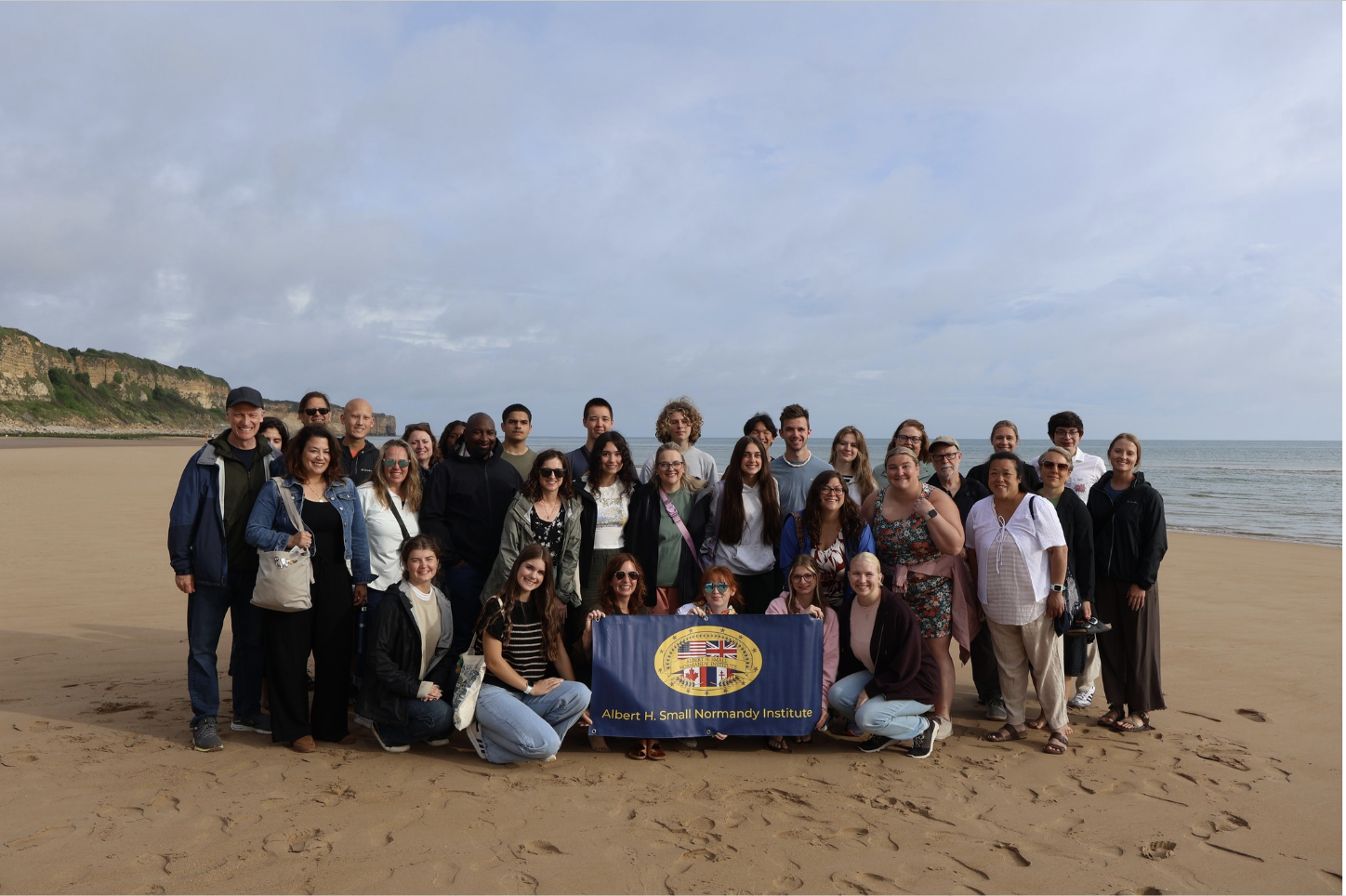
Carson Lee (11) and social studies teacher Ashley Lock held a presentation in seminar Nov. 13, spotlighting Lee’s investigation on the life of a World War II Missouri aviator with the Albert H. Small Normandy Institute.
“We had a full seminar,” Lee said. “It’s a great opportunity, and it’s really the whole point of the program to communicate what you’ve done and communicate the story of a soldier. It was nice to be able to do that.”
Founded by real estate developer and philanthropist Albert H. Small, the Institute program aims to connect students with the individual stories
behind D-Day. To participate, Lee spent around six months attending biweekly lectures and learning about the history of World War II from scholars and historians at George Washington University. His involvement culminated in a trip to France; viewing the battle sites and war remnants was especially powerful for Lee and Lock.
“I joined to get the experience of research, and honestly, I was a little nervous going into the trip,” Lee said. “But I really enjoyed it. It was powerful to walk the beaches and see the cemetery with all the context that we’d gotten from the past six months.”
Along with the trip, Lee was also expected to research the life of a soldier who fought in World War II from his home state. This led him to private Edmund Landgraff. With the help of Lock and other historians, Lee scoured National Archives, local history records, yearbooks, and newspapers to understand Landgraff’s sacrifice for the war effort.
“As the process moved on, I found a personal connection with the soldier,” Lee said. “He never knew me, but I got to know him pretty well.”
Lock has been involved with the program since 2023, when she applied with her student to attend the program. Lee is the third student she’s helped to attend. For her, the program offers a chance to personally connect with history.
“I feel really fortunate that I’ve been able to do this,” Lock said. “It’s been a really great way to think about teaching through an individual lens. By building that connection, it’s no longer just a story of numbers. You’re on the shores of Normandy; that’s different. I hope I can bring that back to students and make them feel like they’re there too.”
Taking part in this project has also helped Lee solidify his career path.
“Now that I’ve met some successful historians, I’m more hopeful that I could make this into a career,” Lee said. “Before this program, I was looking into STEM careers, but I’m more interested in war studies and history in general. That’s definitely changed potential career paths for me.”
Ultimately, Lee’s work offers a chance to interact more deeply with history. He and Lock hope they can share this with the community as a whole.
“There’s something to be said about standing in the place where history happens,” Lock said. “That’s been one of the greatest effects for me.”
![Team representatives Hotaru Murashita (11) and Regina Copeland (10) play rock paper scissors for the winning prize. The club hopes to continue to implement new meetings every year. “About a month ago, we pitched [the idea], and Madame Milford helped us obtain the croissants and jams,” Secretary Arlo Ziolkowski (11) said.](https://laduetoday.com/wp-content/uploads/2026/04/FHS-April-8-1200x900.jpg)