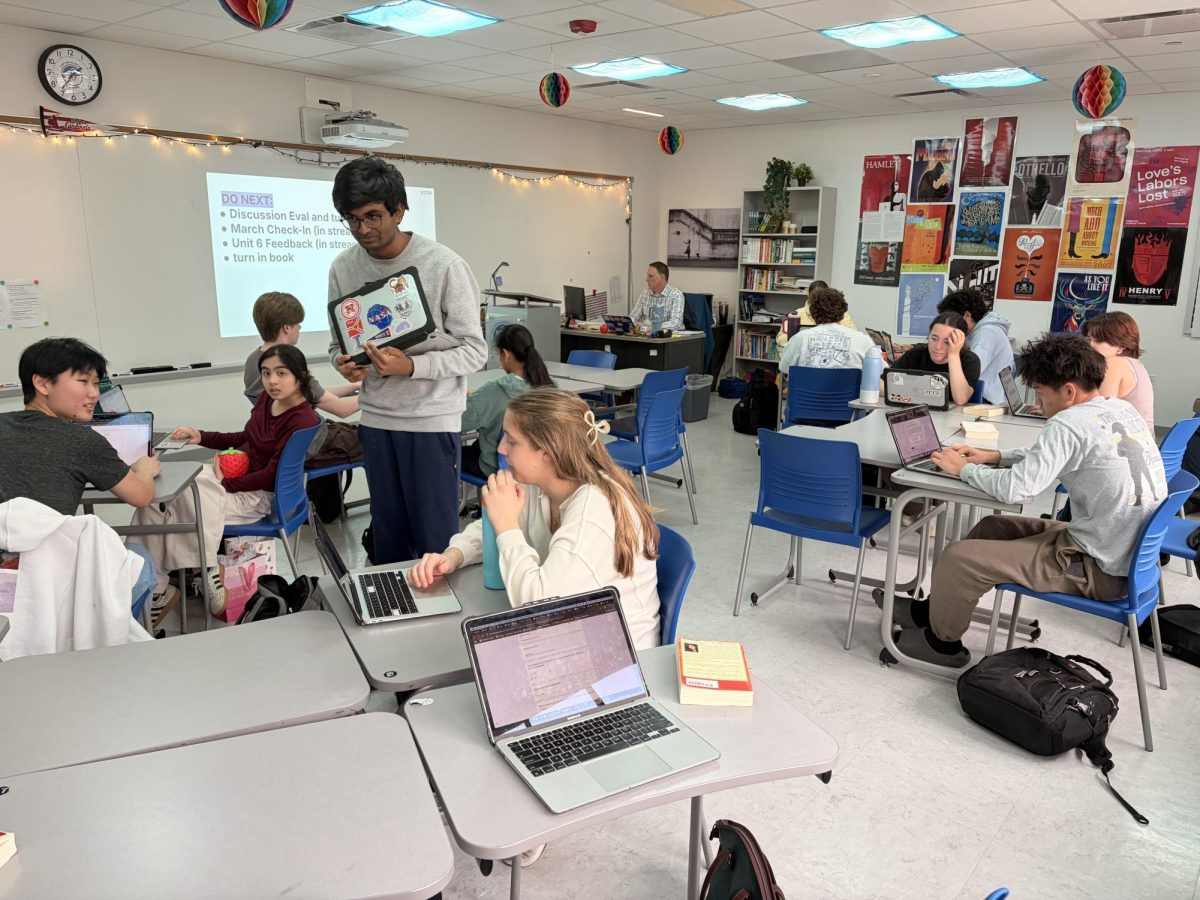
The English classes start and conclude a variety of units as the year comes to a close. With the skills students gathered throughout the year, many classes are working towards a larger culminating project as the skill building units that took up the earlier portions of the year conclude.
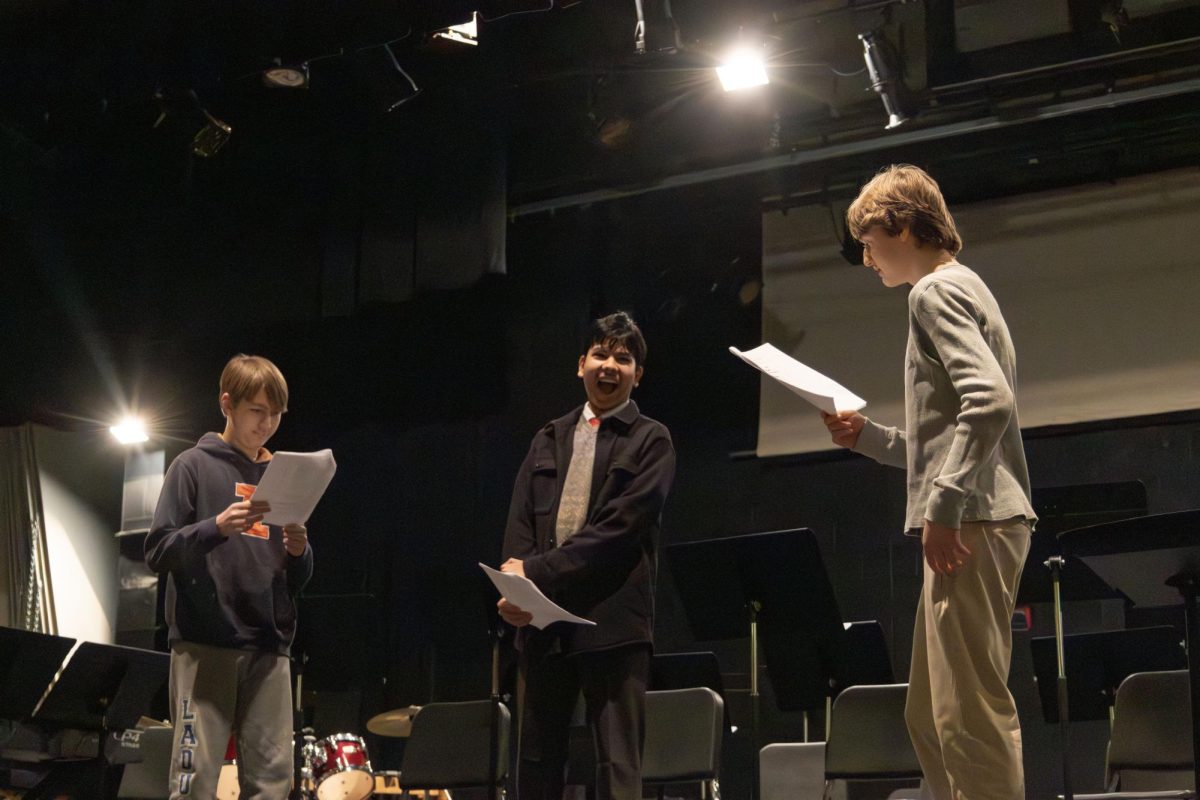
English 9 classes just concluded studying either “Much Ado About Nothing” or “Romeo and Juliet,” depending on what class they’re in. They’re now tasked with writing a major literary analysis essay that breaks down what they just read.
“There was lots of good acting and art going on,” Jennifer Hartigan, English teacher and head of the English department, said.
One of the last major required reading assignments for English 9 is “Night” by Elie Wiesel, an autobiography from a Holocaust survivor. The unit will be taught in conjunction with the AP World History classes. The students will also go on a field trip to the St. Louis Holocaust Museum to supplement their studies.
“While they’re learning the bigger context of history, they’re getting that personal narrative and autobiographical view from an individual’s experience,” Hartigan said.
AP Literature students are in the midst of their last major unit before they take the AP test in May. They’re reading “Beloved” by Toni Morrison — a deeply challenging and contested novel.
“We’re exploring why we read [Beloved] and it’s valuable to do so, even when people don’t want you to,” Hartigan said.
Philosophy in Literature, one of the second semester English electives, is studying “Life of Pi,” a book that dives deep into the meaning of life. The unit connects closely with the upcoming morality unit and the meaning of life projects.
“It’s ‘Life of Pi’ time,” Hartigan said. “We are talking about existentialism and beating off the senioritis with a stick.”
Students in AP English Language just wrapped up the arguments in science unit where they read and discussed “The Immortal Life of Henrietta Lacks” by Rebecca Skloot. They are now looking towards a book club that features a true crime case.
“I enjoyed how we had a lot of time in class for discussions,” Ruby Jurgiel (11) said. “We had a lot of conversations about science and medical ethics, and we were able to make a lot of connections to the book.”
The first semester of most English classes are oriented around tests and skill building, but the second semester turns largely toward applying those skills in project or discussion based learning.
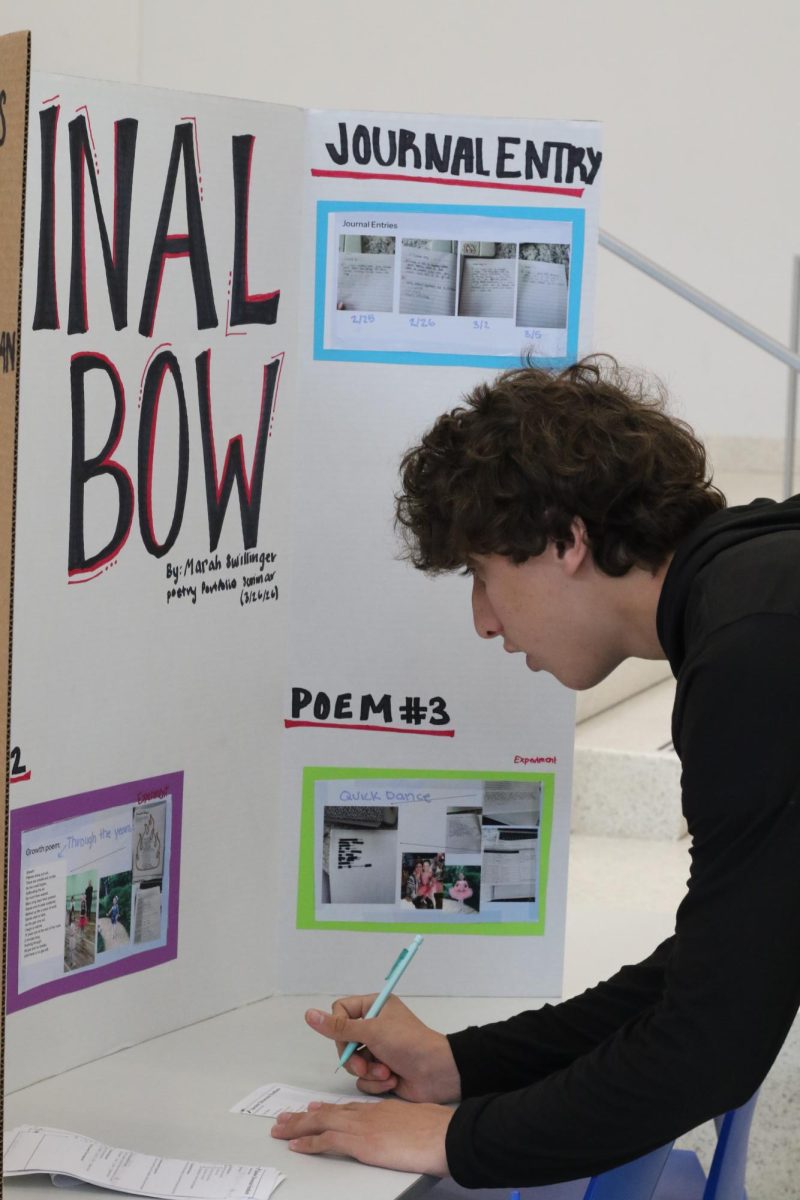
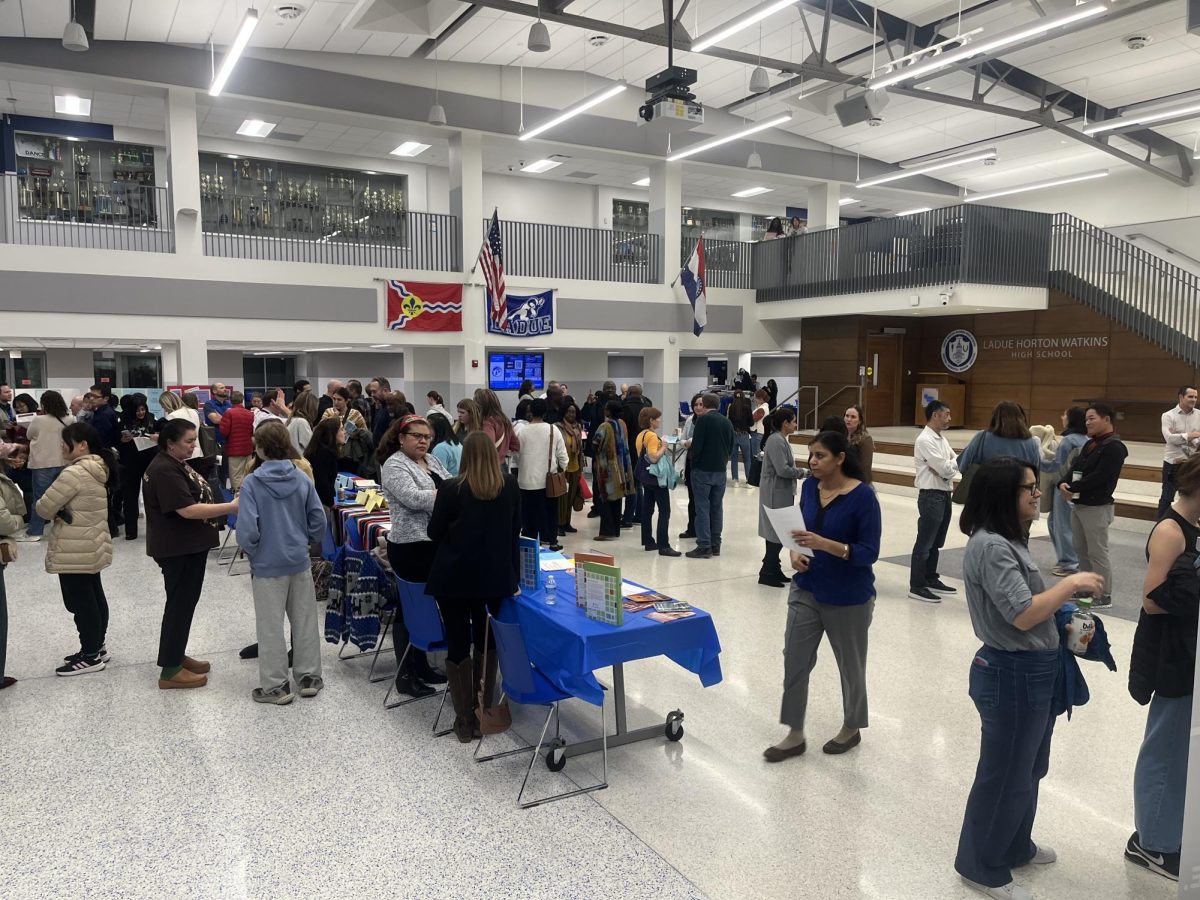
“There’s a lot of really cool stuff around the building that are more real world skill oriented,” Hartigan said, “We’ve done the esoteric skills, the scholarly skills, and now it’s more oriented towards real world stuff.”
![AP Art and Design students work on their portfolios. Students can submit their artwork to College Board at the end of the course in May. "Most people try to [get] College Board credit which is first week of May or do the art for competition which is like a month or two from [Spring Break]," Ye said.](https://laduetoday.com/wp-content/uploads/2026/03/Untitled-design-1-960x1200.png)
![Team representatives Hotaru Murashita (11) and Regina Copeland (10) play rock paper scissors for the winning prize. The club hopes to continue to implement new meetings every year. “About a month ago, we pitched [the idea], and Madame Milford helped us obtain the croissants and jams,” Secretary Arlo Ziolkowski (11) said.](https://laduetoday.com/wp-content/uploads/2026/04/FHS-April-8-1200x900.jpg)