
That guy is crazy. You’re so special. I am super OCD about everything. These are just a few examples of ableist phrases that have been normalized in everyday language. This normalization points to a broader issue embedded within society’s misunderstanding of disability.
Many words we use without a second thought have negative connotations with offensive origins — phrases related to disability are no exception. According to the Center for Disability Rights, ableism is “a set of beliefs or practices that devalue and discriminate against people with physical, intellectual or psychiatric disabilities and often rests on the assumption that disabled people need to be ‘fixed’ in one form or the other.” Ableist beliefs are wrong on so many levels because they reflect the medical model of disability, which teaches society to view disability as something that is wrong with a person. Instead, individuals should focus on becoming allies to the disability community.
What is being an ally? The World Institute on Disability stated that an ally is someone who actively supports a marginalized group without being a member. The keyword here is active. Being a good ally takes more than just expressing sympathy, performative social media posts and words of affirmation. While awareness is important, true allyship is shown through actions. This includes but is not limited to treating individuals with disabilities with respect, actively pushing against infantilizing individuals with intellectual and developmental disabilities and promoting an accessible environment. In addition, true allyship is treating individuals with disabilities in a balanced way — not as heroic or inspiring for simply living their lives, and not as a source of pity or a project to be fixed.
While many members of the disability community prefer Person-First Language, it is important to understand that there is no single correct way to refer to everyone as individuals, and different people may have different personal preferences. Some people see their disability as an essential part of their identity and prefer Identity-First Language; others prefer Person-First Language, which puts the individual before their disability. This helps avoid dehumanizing the person with the disability. The best way to determine is to ask the person.
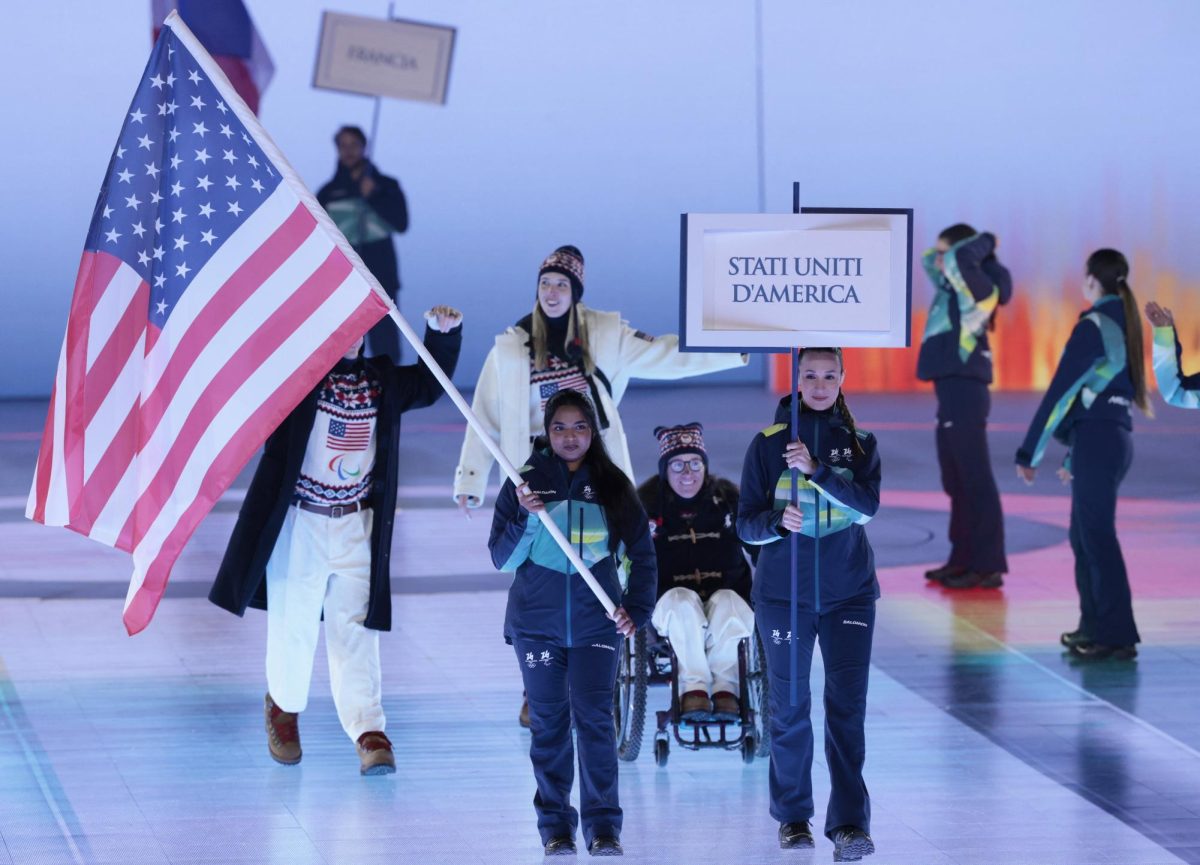
Another important facet of being an ally is amplifying the voices of people around us; society should be more accepting of talking about and accommodating disabilities. A notable political figure within the disability community is Tammy Duckworth, an Army National Guard veteran who now serves as a U.S. Senator of Illinois. Duckworth has used her voice to point out internalized ableism. Being an ally goes beyond listening to voices with prominent platforms like Duckworth: it is supporting individuals with disabilities in the communities we live in. We can all start by making behavioral changes like removing offensive language from our lexicon, stopping with the condescending euphemisms and normalizing being around disability in our attitudes and everyday lives.