
When alarms for Ladue High School’s new security system went off unannounced Aug. 21, the first thing many students did was grab their phone and text their parents — I love you. I’m scared. Those caught in the hallway hid in bathrooms or left campus to shelter in the woods. Teachers locked doors, turned off lights and huddled with students in the dark at the back of their rooms. The building went quiet, save for the drone of the warning bell. Eventually, the announcement came over the speakers: a false alarm.
The intruder wasn’t real. The fear was.
Within the past four years, Ladue has implemented a number of new security measures. Massive locks sit over the doorknobs of each classroom, ready to latch shut at a moment’s notice. Since 2022, staff carry Centegix badges, which can alert school security or local law enforcement to an emergency. Students of all grades attend regular meetings on protocols in the case of an active shooter: the four E’s, rendezvous points and how to send anonymous tips. OPENGATE weapons detectors were implemented for all entries during the school day in August, requiring students to remove laptops, binders and other materials to pass through entrances.
These systems are practical, realistic and preventative measures Ladue has taken to make our students, school and staff more secure. They’re also a constant reminder of the threat that looms over us all — and a normalization of the violence that now pervades American culture.
According to the CDC, firearms were, for the sixth consecutive year, the leading cause of death for children and adolescents aged 1-17 in 2024. The Washington Post reports that 398,000 American students have experienced gun violence in schools since 1999. It’s been 26 years since the Columbine High School massacre, the mass shooting incident that’s become a flashpoint of our culture of violence — and our numbness to it. Law enforcement is more trained. More schools employ School Resource Officers rather than placing social workers and nurses as the first line of defense; security in schools has grown in size and capacity. But school shootings are still happening, and kids are still dying.
Every morning, as students enter the school through OPENGATE, we’re reminded of this. Every meeting staff attend on emergency protocols, they’re reminded of this. For some students and staff, every time they enter a classroom, they’re thinking about where the nearest exit is, what furniture can be used to barricade the door and how they can engage an intruder if necessary.
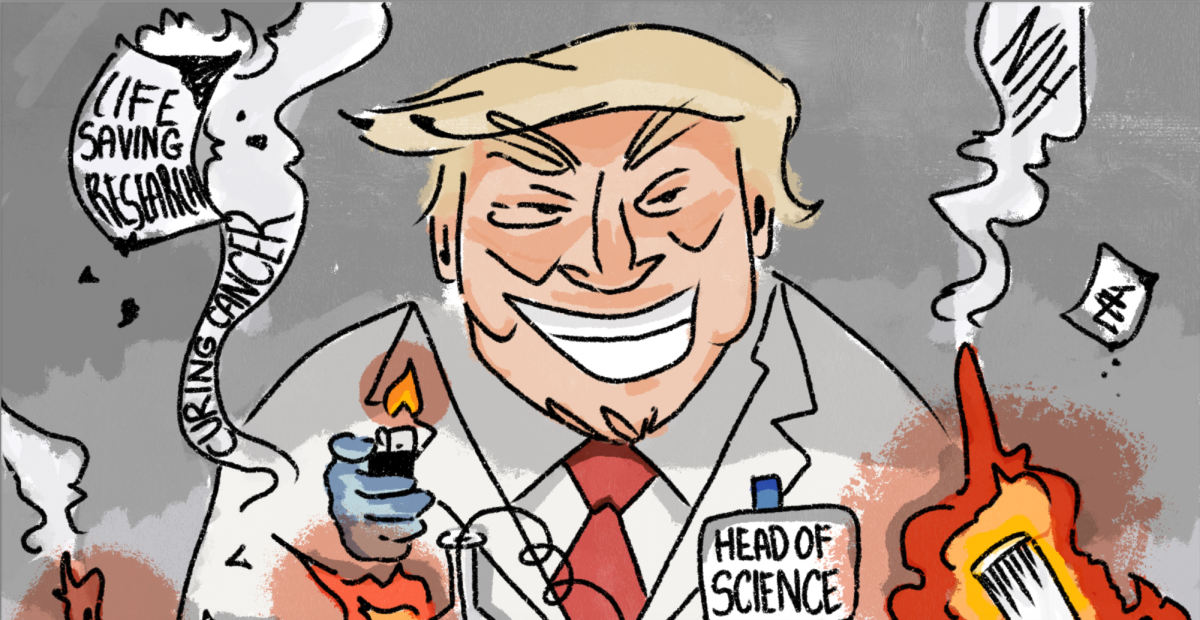
Our security systems, no matter how practical, are reactive. They address the symptoms rather than the root of the problem, while lawmakers idle over the comparatively arbitrary issues of phone bans, sports betting and marijuana. If anything, local and federal governments are actively dismantling gun safety measures. The Missouri House of Representatives voted to reenact the Second Amendment Preservation Act in March, which fines state officials for enforcing federal gun laws. The Trump administration froze rules which would have prevented those with mental illnesses or deemed incompetent to serve in court from purchasing guns, took down memorials to gun violence victims from the ATF headquarters in the capital and removed the Surgeon General’s advisory on gun violence from government websites.
The reality of gun violence is one that must be addressed with systemic solutions from lawmakers rather than surface-level mitigations. Our security and systems like it, no matter how practical, place a heavy share of the burden on students and staff to keep ourselves and each other safe: to send in anonymous tips, go through the ritual of OPENGATE each morning and attend safety meetings and pay attention during them. To remember, constantly.
Aug. 21, teachers and students did exactly what they’d been taught to do — what had been engraved in their minds by drills, meetings, and the imminent knowledge that a shooting could happen anywhere, at any time, abruptly and unannounced. Aug. 21, everything went perfectly.
Some day soon, in some school, for some students and staff, it won’t.