When did caring become something we’re supposed to hide?
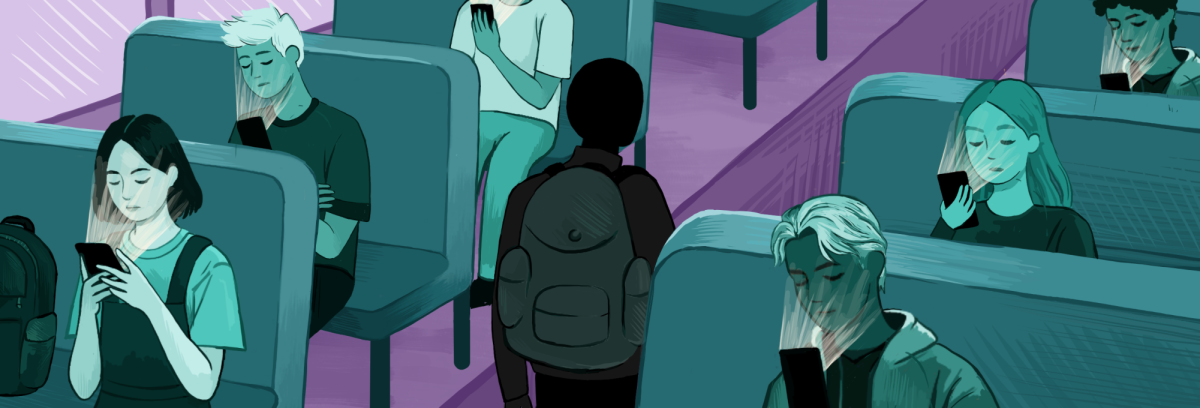
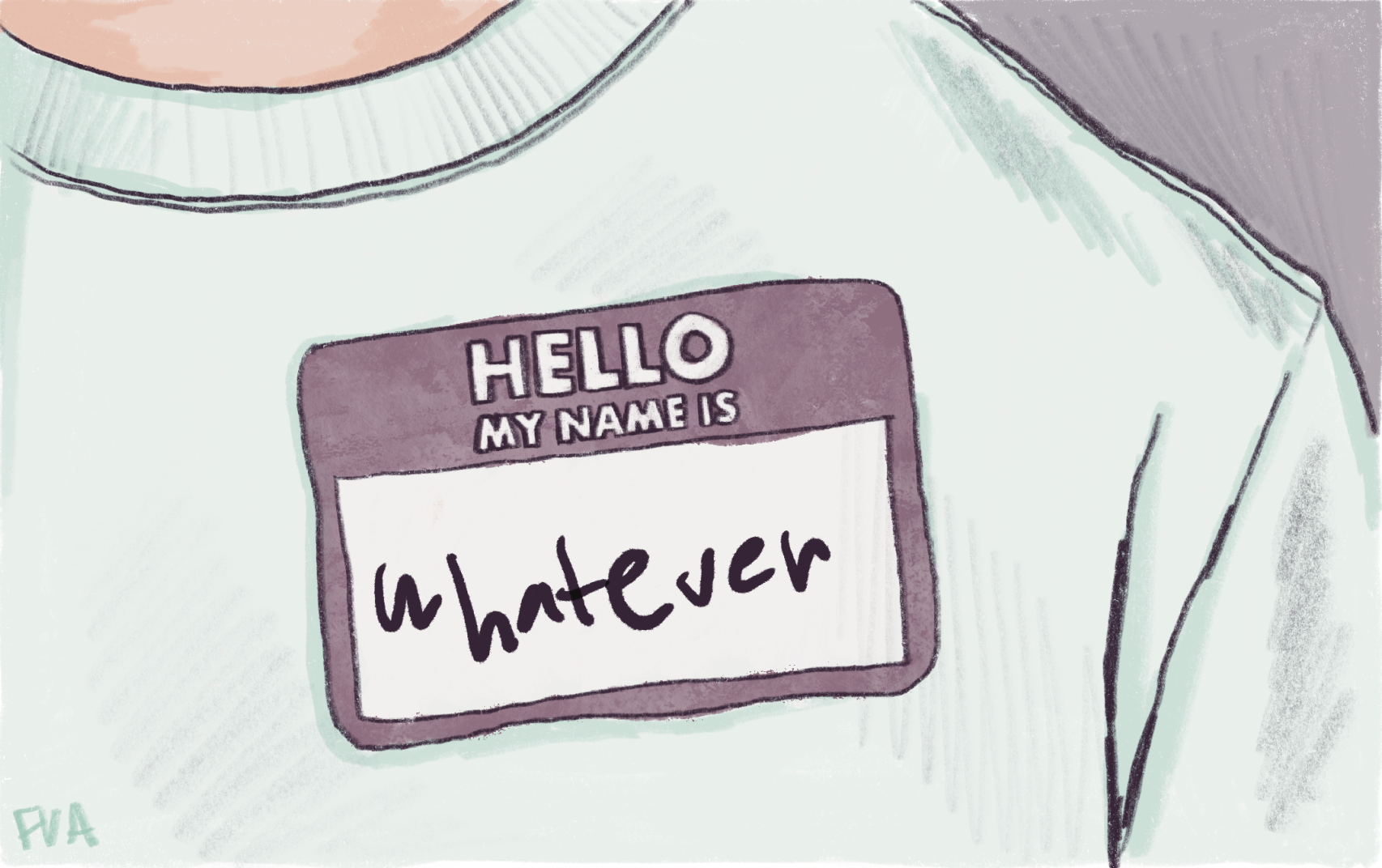
Somewhere between doomscrolling online and coming back from a pandemic, we learned it was better to pretend we didn’t care. Easier, somehow, to hide away passions and creative outlets, make fun of anyone too invested and never, ever put our-selves out there. We learned to play it safe. Stick to the rules. Be nonchalant, always. That mindset of not caring might have come to life through jokes and trends, but today, it’s everywhere, an inextricable part of high school culture, and it has negative implications. Students are taught to bury their interests, but it comes with a cost: damaged confidence, a loss of authenticity and the message that conforming is the goal, no matter what. By normalizing this, we are setting an unsettling precedent.
The idea of nonchalance isn’t new, but it’s experienced a strong resurgence in recent years on social media. Apps like TikTok and Instagram have turned detachment into a viral trend; on the former, the hashtag #nonchalant has been used over 573,000 times as of Feb. 19. Videos with thousands of views teach kids not to care about friends, family or even their own feelings. At school,
too, nonchalance has become the norm: out of 200 Ladue students surveyed Feb. 25, almost 30% said they had felt pressured by their peers to hide their interests, and 44% said they sometimes downplay things they care about in order to fit in. This culture of nonchalance isn’t just online. It has seeped into our hallways and classrooms, and it’s already had a strong impact on how students perceive themselves and experience emotional growth.
That impact shouldn’t be surprising, considering how much it has in common with issues that have plagued teens for ages. Over the years, society has turned having hobbies into something to be judged for — yet another form of peer pressure to add to the pile — and adolescents are especially vulnerable to this kind of social conformity. According to a study from Nature, teens typically adjust what their peers have deemed normal out of a desire to fit in and be admired. In today’s world, this has increasingly meant performative disinterest, and the consequences of this behavior can’t be ignored. Data from Pew Research Center shows that around 40% of teens say they’ve chosen not to post on social media because of fear of judgment. Collectively, we’ve already begun to silence ourselves, to pull back from what differentiates us. This constant self-monitoring does not bode well for teenage identity.
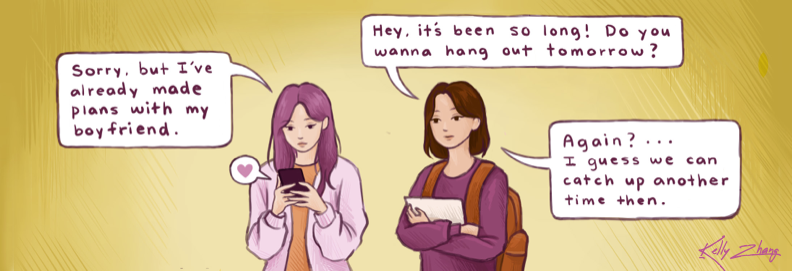
Nonchalance is not just a harmless trend. Although social media and pop culture have presented it as a behavior that helps you gain confidence, the reality is much more insidious. A study by Springer Nature found that inauthentic behavior, like performing disinterest in what we care about, is associated with anxiety, self-silencing and lower self-esteem in teens. Out of 200 Ladue students surveyed, 24% felt that nonchalance had affected their relationships negatively, showing just how intensely this pressure has affected our sense of self. As a generation, we’ve been taught that nonchalance will make us appear cooler and less vulnerable, but masking our interests doesn’t protect us like we’ve been led to believe. It only isolates us.
Our culture of not caring, fundamentally, is rooted in fear. Teens are constantly afraid of being judged, mocked or isolated by our peers, and nonchalance is simply the newest way we’ve been taught to deal with it. If we just stop caring, society suggests, we’ll never risk rejection. And yes, it’s easier to conform in a world where no one tries. But it also means we sacrifice our drive and our ability to take risks — the very things that make us human.
We shouldn’t have to bury our passions for the sake of peer pressure. We shouldn’t need permission to explore our interests. The culture of nonchalance that grips us isn’t freeing — it’s suffocating. But if ever there was a time to stop playing it safe, it’s now. If we continue pretending not to care, we’ll have lost what matters most. So break the rules. Take a risk. Do something and don’t be afraid to try. Despite the messaging from society, our peers and the internet, it’s not wrong to have interests. It’s never wrong to care.