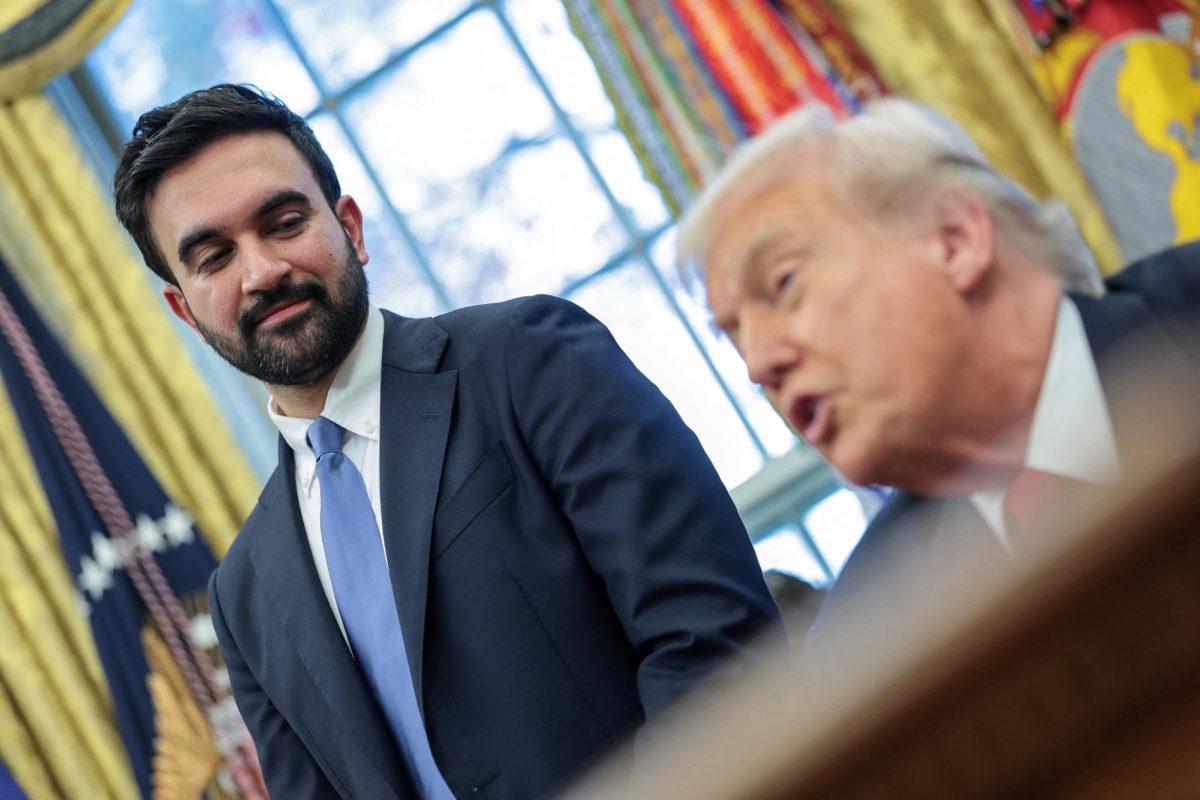
Nov. 15, 2024, a young New York state legislator named Zohran Mamdani filmed himself walking through the Bronx. A self-described socialist who graduated from Bowdoin, he’d set out to do something unusual: he wanted to interview Trump voters.
Across the nation, Democrats were panicking. One week after the 2024 Elections, electoral maps showed massive shifts across every state towards the Republican party. New York City was no exception — even in one of the bluest cities in America, the Republicans had gained footholds among every age and ethnic group. The Democrats, pundits crowed, had pushed too far left — and the people had pushed right.
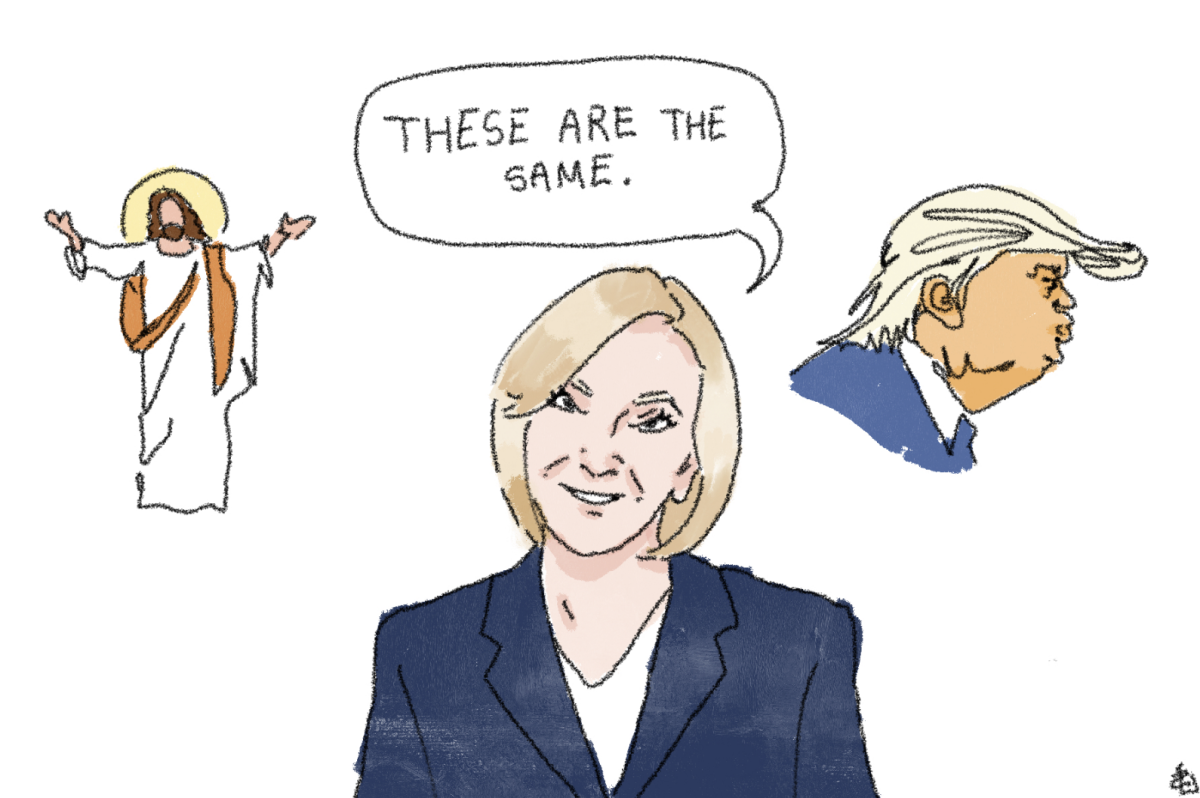
Americans love to imagine political identity as a spectrum: Democrats on the left, Republicans to the right and blocs of loyal voters fighting for each side. Politics, then, is more than a battle between opposing parties; it’s a war between literal opposites.
Mamdani, however, saw something different. Of all the people he talked to, no one spouted off about “conservative values” or glazed the Republican establishment. They did, however, talk about the economy, about how rising prices — for gas, rent and even food — had slowly crushed their American Dreams. As one New Yorker put it, “the swing is because people want lower prices…they believe [Trump] will give them that.”
This reflects a truth that many know but few acknowledge: on every level of the class divide, both parties are closer than they seem.
Let’s start from the top. As different as they like to claim their “values” are, each party is dominated by similar assortments of lobbyists and billionaires. Some interest groups, in fact, influence both parties at once: the Zionist group AIPAC, for instance, backs 91 of 100 senators.
The impacts are clear. While Democrats, for one, claim to champion the working class, they support the globalist policies that created the Rust Belt. Republicans vow to put “America First,” yet they threatened war with Venezuela as tens of millions lost access to food stamps. Few congressmen, furthermore, dare vote against Israeli interests.

The American people are also closer than their party lines suggest — and they know it. A 2024 poll from Ipsos showed that, even amidst the chaos of that last election, 69% of Americans say “most Americans want the same things out of life.” That makes sense. Whether you call yourself “left” or “right,” the kids need to be fed and the bills need to be paid. When you can’t do those things — and a lot of people can’t — the other stuff doesn’t really matter.
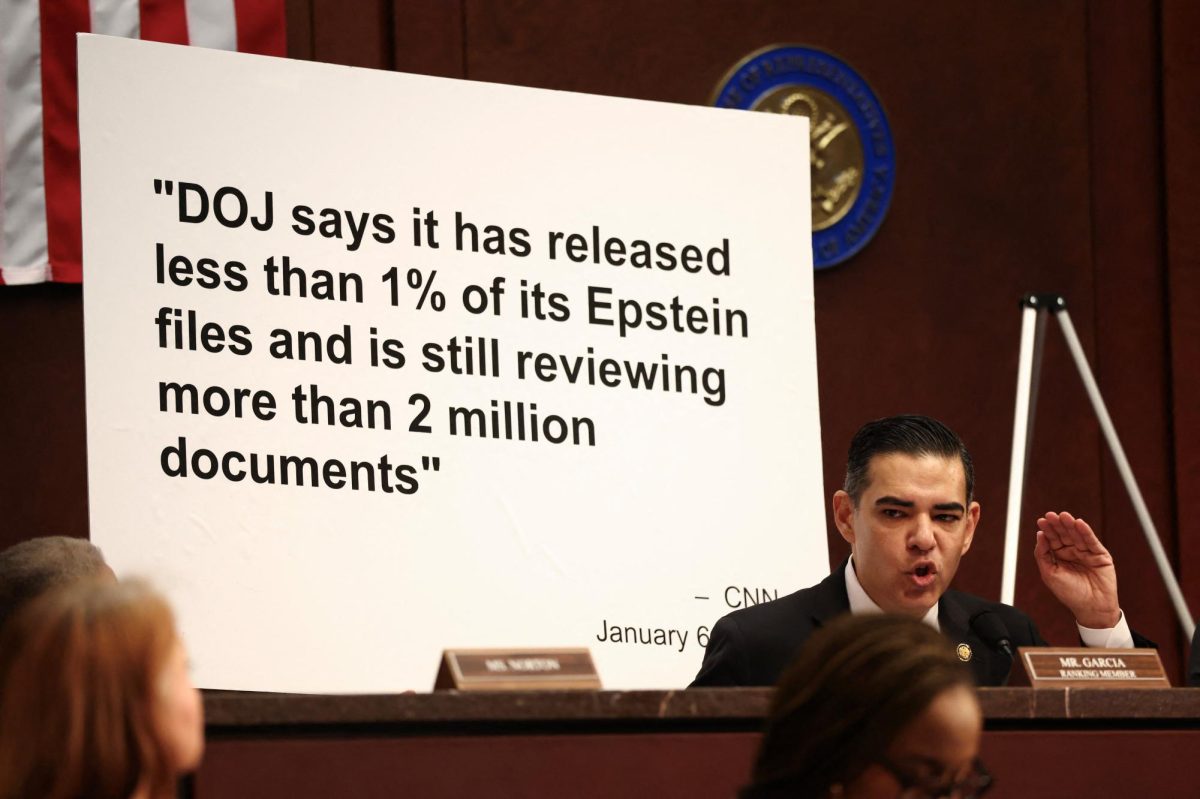
There’s a lot to suggest that old party lines are faltering. When the Trump administration decided to enter war with Iran this June, 85% of Americans opposed the operation, according to a YouGov poll — a number that included broad swaths of Trump’s coalition. Core MAGA Republicans like Marjorie Taylor Greene have also led the charge to release the Epstein files — something Trump has opposed.
Democrats have been learning as well. Back in New York, Mamdani’s honest messaging catapulted him from obscure local figure to national celebrity. Terrified, billionaires like Bill Ackman donated over $40 million — according to CNBC — to support establishment candidates. Mamdani won anyway — so powerfully, in fact, that mainstream New York Democrats have acquiesced to his vision.
If Trump weren’t so nervous, I think he’d be proud.




Will Gonsior • Jan 28, 2026 at 12:31 pm
“Globalist policies” didn’t create the rust belt. The American South has been so broke for so long that manufacturing jobs were bound to move there even if the U.S. was a closed economy. There’s no world where Ohio keeps the factories. That’s the price of Sherman going Undefeated Out of Conference in the civil war and it’s one I think we should gladly pay. It’s almost like free trade naturally promotes global equality.