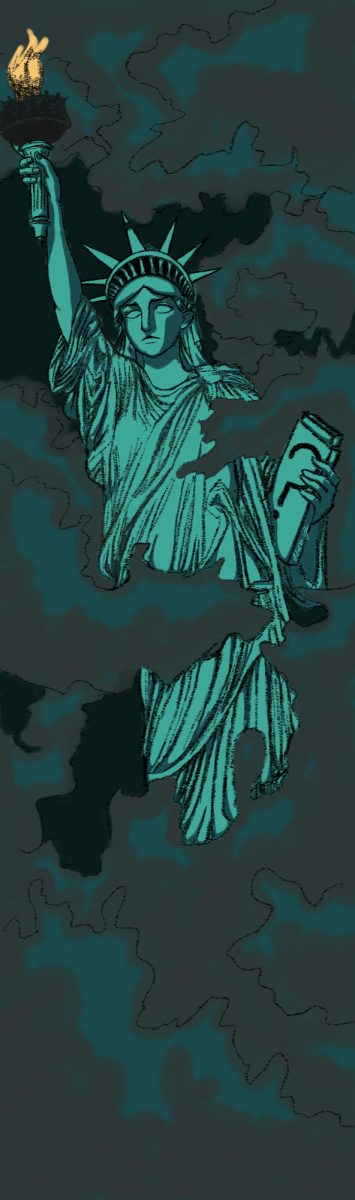
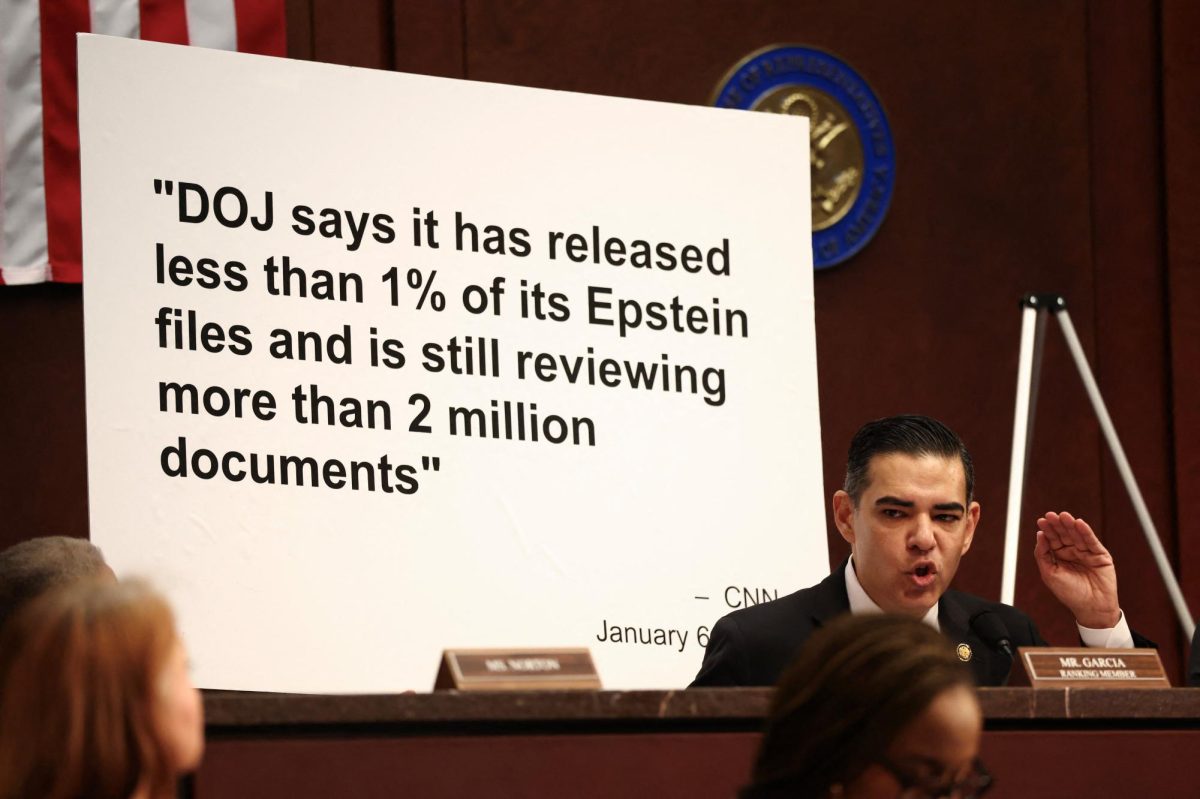
Jeffrey Epstein.
That got your attention, didn’t it? A private island, unspeakable crimes and America’s most powerful politicians — Epstein’s horrors are clearly a generational scandal, and both parties will likely be marred by the fallout. It’s almost dizzying to reflect on how quickly it exploded onto the national scene — up until recently, no one had known about it.
Well, that’s not quite true. Questions about the case — How did a high school math teacher befriend multiple world leaders and buy a private island? How did such a large child abuse ring go unnoticed for so long? And why have none of his powerful friends been investigated? — have floated around since Epstein died before facing trial in 2019. Even so, these questions were never answered; instead, people were mocked, ostracized, deplatformed, banned and arguably censored for daring to question official narratives.
They were “conspiracy theorists.”
Originally coined after JFK’s assassination in 1967, the term “conspiracy theorist” has ballooned in use — disturbingly so. Once reserved for people who’d blame climate change on space lasers, it’s now used to shut down anyone who goes off-script on foreign wars, internet surveillance or even the national debt — pressing, realistic issues that directly affect us all.
In Cultish: The Language of Fanaticism, cult expert Amanda Montell describes “thought-terminating cliches” — insults used to squash independent thinking. If “conspiracy theorists” really are what we call them, why are we afraid?